



This is the first part of a four-part series about being aware of thinking and feeling.
Watch Your Mental Screen
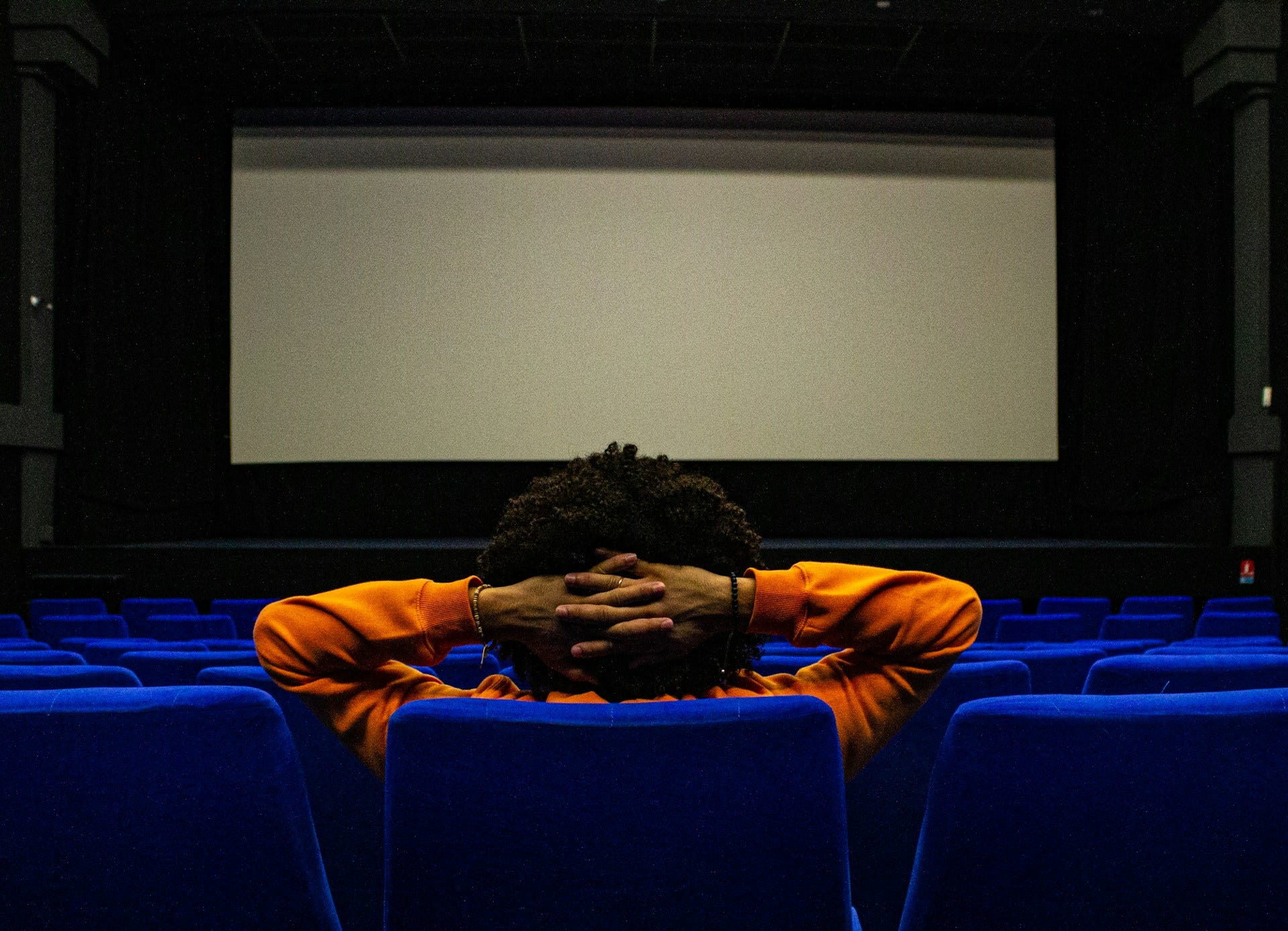
To observe your thoughts with greater objectivity, there are more useful analogies than comparing them to clouds.
Subjective experience comes in two modes: sensory and narrative. The first one refers to how we take in raw perceptions through our senses, while the second one focuses on making sense of what we take in.
Your personal observations of what's happening at any given moment become more objective when you've sharpened your ability to break situations down into their sensory components.
As you watch a fluffy cloud float by on a beautiful summer afternoon, you may notice the steady flux of the natural world. However, when you try to apply this observation to your thoughts, you encounter various complexities of human imagination that can make your insights more complicated.
Thoughts can be visual or verbal. They are shaped by feelings, which are in turn influenced by mental content. Our brains are sophisticated prediction machines. We use past experience to interpret present circumstances and predict what's coming next. To observe some of the processing involved, we have to get more familiar with key strands of subjective experience.
visual thinking
verbal thinking
emotional bodily feelings
The analogy of a film editor can be more practical in untangling these subjective strands of perception. The craft of editing films involves becoming acutely familiar with the visual and auditory components that evoke emotions in an audience.1
Let's unpack visual thinking for now and explore the other two in future posts.
Types of mental images
When people talk about thinking, they usually refer to mental chatter—the voice in our heads that we notice weighing in while we're trying to listen to someone else talk. However, becoming more aware of the visual aspect of thinking can help us untangle the strands of subjective awareness.
Exploring where visual processing occurs can be fascinating. There are three significant types of mental images, and it becomes easier to investigate their perceived locations with your eyes closed.
Your surroundings—visual clues about the physical world around you
Your body—visual awareness of your body in physical space
Mental screen—a somewhat vague space floating somewhere near the eyes where we conjure scenes from the past and future
For the exercise below, we will primarily focus on the mental screen. However, if you notice any visual thoughts related to your body or surroundings, you can also consider those as mental images.
Attributes of visual thinking
It's common to assume that visual thinking will be vivid and cinematic, largely due to the many instances in films where characters' memories are depicted on screen. Our dreams can also be visually striking.
However, visual thinking can often be subtle and slippery. It’s important to acknowledge even the faintest visual impressions as mental images. Frequently, it's easier to learn how to recognize these impressions by reflecting on them after they've occurred.
When you attempt to observe your thoughts for ten minutes, you might find it challenging to notice anything at all. It can feel like a cat patiently waiting for a mouse to scurry by its favorite hunting spot or a hunter patiently scanning for a deer. If you find that much of your time is spent waiting, you're on the right track. If it weren't worthwhile, I wouldn't encourage people to invest time and attention in this underappreciated skill.
There is something elusive about the components of thinking that makes them difficult to observe. When learning to recognize visual thoughts, it may feel as though you are merely guessing or imagining things. It is perfectly normal to miss a mental image or to notice it only after it has played out. Additionally, it's normal for them to vanish as soon as you spot them.
Try not to take this personally. This is what it's like to cultivate direct awareness of the visual side of mental processing. When there aren't any mental images dancing across your mind's screen, take the opportunity to enjoy the calm restfulness you see. Like shooting stars, visual thoughts will eventually appear, rewarding your curiosity and patience.
Exercise
This exercise sharpens your ability to notice the presence of visual thinking and when the mental screen is inactive.
Circumstances for learning this attention exercise
Waiting to see a doctor or dentist
During periods of unwanted alertness in the middle of the night
Sunday evening, before a busy week


