


One night several years ago, I found myself alone in a hospital room recovering from shoulder surgery. My friends and family had gone home. Despite the flowers and cards, the room felt sterile and lonely.
Everything around me seemed cold, mechanical, and sterile. There’s something cliché about the details. The adjustable bed. The IV pole. The call button. The constant beeping that gradually sounded less alarming.
Eventually, I got tired of taking an inventory of how sad everything felt. So I started looking at the contents of the room differently. The space is small, and everything has to earn its keep. There’s little room for anything unrelated to medical care.
As I considered the function of each object, one at a time, I began to see the room differently. Every object existed because someone, somewhere, wanted to reduce suffering.
An adjustable tray on wheels. Blinds designed to help patients sleep even when it was sunny outside. Even the pillow and blanket, while not luxurious in a hotel way, seemed invested in helping me rest and recover.
I started to imagine the people behind each object. Someone imagined a problem.
Someone attempted to solve it. Over time, someone found ways to improve it. Someone tested it. Someone refined it. Behind every object were people solving practical problems within the limits of space, safety, and cost.
Instead of seeing medical equipment, I began to sense generations of human beings quietly caring for strangers, with every object representing countless attempts to reduce suffering. Instead of feeling like a conceptual or theoretical exercise, it gradually became more personal. Even warm.
I didn’t want to be a patient. I didn’t want to need to be taken care of. I didn’t want to get injured or navigate the uncertainty of physical therapy having no impact on my range of motion. I didn’t want to be in pain indefinitely. But as I excavated the furniture, machinery, and objects in the room for evidence of anonymous people behind them, I started to feel less alone. I connected with a kind of invisible warmth that was there when I searched for it.
But in that seemingly impersonal moment, I was experiencing the future they could not predict with precision. I was one of many imagined beneficiaries they would never meet or know directly, but reducing my discomfort had been at the heart of their work all along.
I was surprised to discover that my shabby hospital room felt less lonely when I noticed how many people were already in it. While they weren’t physically present, the evidence of their efforts was..
It’s easy to lose sight of this, but I’m convinced that we live our lives surrounded by invisible acts of care. We’re so often lost in headlines, catastrophe, and emotion-numbing distraction that we overlook the ongoing creativity focused on providing for the inevitable comfort we will all eventually need.
Human beings you will never meet worked together over decades to create and improve the design of each of these elements. Each contribution was part of a greater collaborative effort— stretching back into the past and continuing into the future— to decrease human suffering.
We spend much of our lives sitting inside support we no longer recognize. The objects haven’t changed. Our way of seeing them and relating to them has.
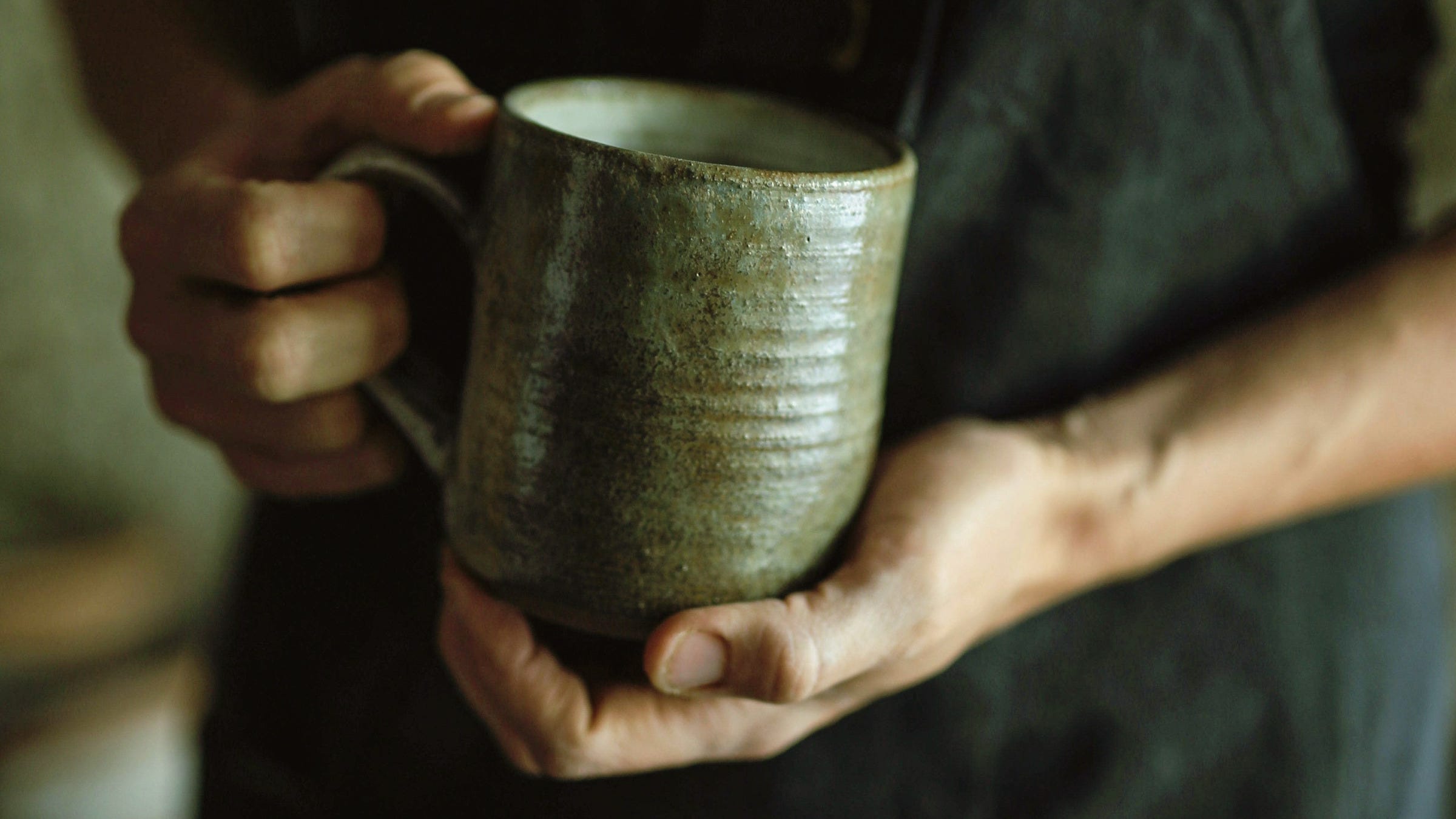
Kitchen utensils. Comfortable shoes. Windows. Ballpoint pens. Coffee mugs. Blankets. Door handles.
None of these objects can care about us.
But every one of them carries traces of people who cared.
Today’s practice is an invitation to notice those traces—and see whether an ordinary object feels just a little more alive after you’ve spent a few quiet minutes reflecting on it. The goal isn't to admire objects or necessarily feel grateful. It's to notice the humanity quietly living inside them.
Exercise
This guided attention exercise invites you to notice the hidden humanity embedded in ordinary objects. By exploring a piece of clothing, the chair supporting you, and a nearby everyday object, you’ll practice seeing beyond their function to the countless acts of imagination, craftsmanship, and care that made the current moment possible.
Circumstances for learning this attention exercise
When your surroundings feel cold or impersonal.
When ordinary life starts feeling repetitive.
When you're feeling isolated or disconnected.
