


There are understandable reasons for giving up on mindfulness, compelling reasons to stick with it, and some experiments to try before deciding either way.
Reasons to give up
Everyone who has tried to establish a mindfulness habit runs into one or more of these common frustrations.
You try to relax but have trouble staying awake.
You try to clear your mind but the thoughts keep coming.
You try to be more present but stay stuck in memories and worries.
You’re unable to fit 10-20 minutes of breath awareness into your daily routine.
You try to calm down when you’re upset but often end up feeling worse.
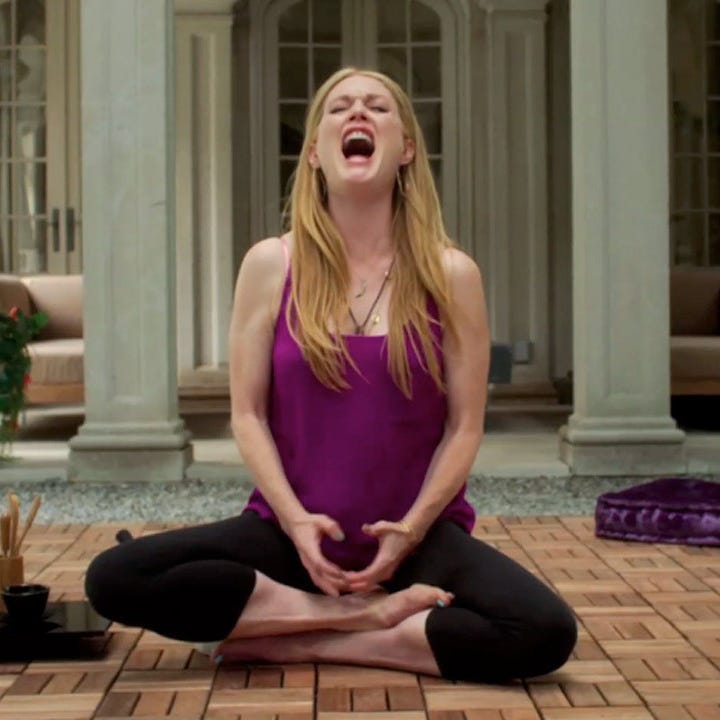
Practicing mindfulness is intended to reduce internal friction, not increase it, so these initial obstacles convince many people it’s beyond their abilities. Over time, it teaches us to adjust our expectations about attention itself.
Unfortunately, life’s most liberating lessons can be surprisingly uncomfortable to learn.
Reasons to persist
Mindfulness practice strengthens attentional skills that lead to feeling more alive.
This can include:
Getting better at deciding what to notice and what to ignore.
Noticing the richness of ordinary sights, sounds, smells, flavors, and sensations.
Observing your thoughts with a bit of distance.
Feeling your emotions more vividly and escalating the unpleasant ones less.
Most importantly, they help you to make peace with the messy complexity of humanity — your own as well as other people’s.
This takes longer than anyone prefers. Who’s to say how long? Months? Years? Decades? The rest of your life? Sooner than you think? Some vague amount of time just beyond your willingness to wait?
Personal transformation happens gradually and without guarantees.
Experiments to help you decide
I understand not wanting to practice mindfulness.
Before you give up, though, try to approach it as a game rather than a test.
Give a few of these ideas a try:
Notice the sensations of breathing without trying to clear your mind.
Divide practice sessions into shorter segments.
Explore sensations related to body functions other than breathing — even the unspiritual private ones.
Practice with your eyes open.
Listen to verbal thoughts as sounds.
Notice emotional reactions during the day or while watching a series or movie.
Focus on sensory details while taking walks.
Use mindful awareness to support other healthy habits.
Thoughts and feelings are part of being alive. So are discomfort and uncertainty.
It’s simple but not easy to change how you inhabit your life.
Time will keep ticking whether you decide to cultivate mindful awareness or not, but the invitation to pay closer attention remains perpetually open.